
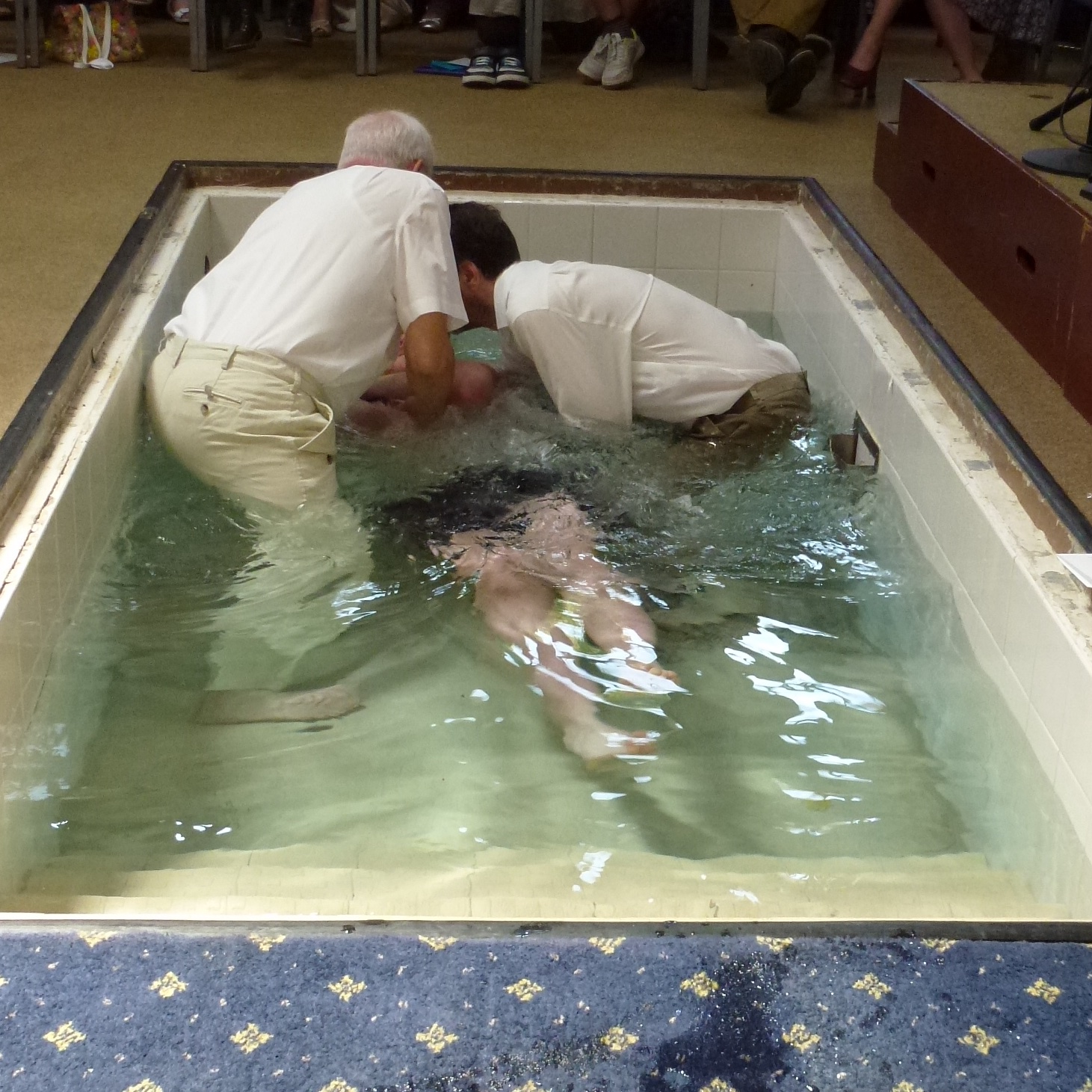
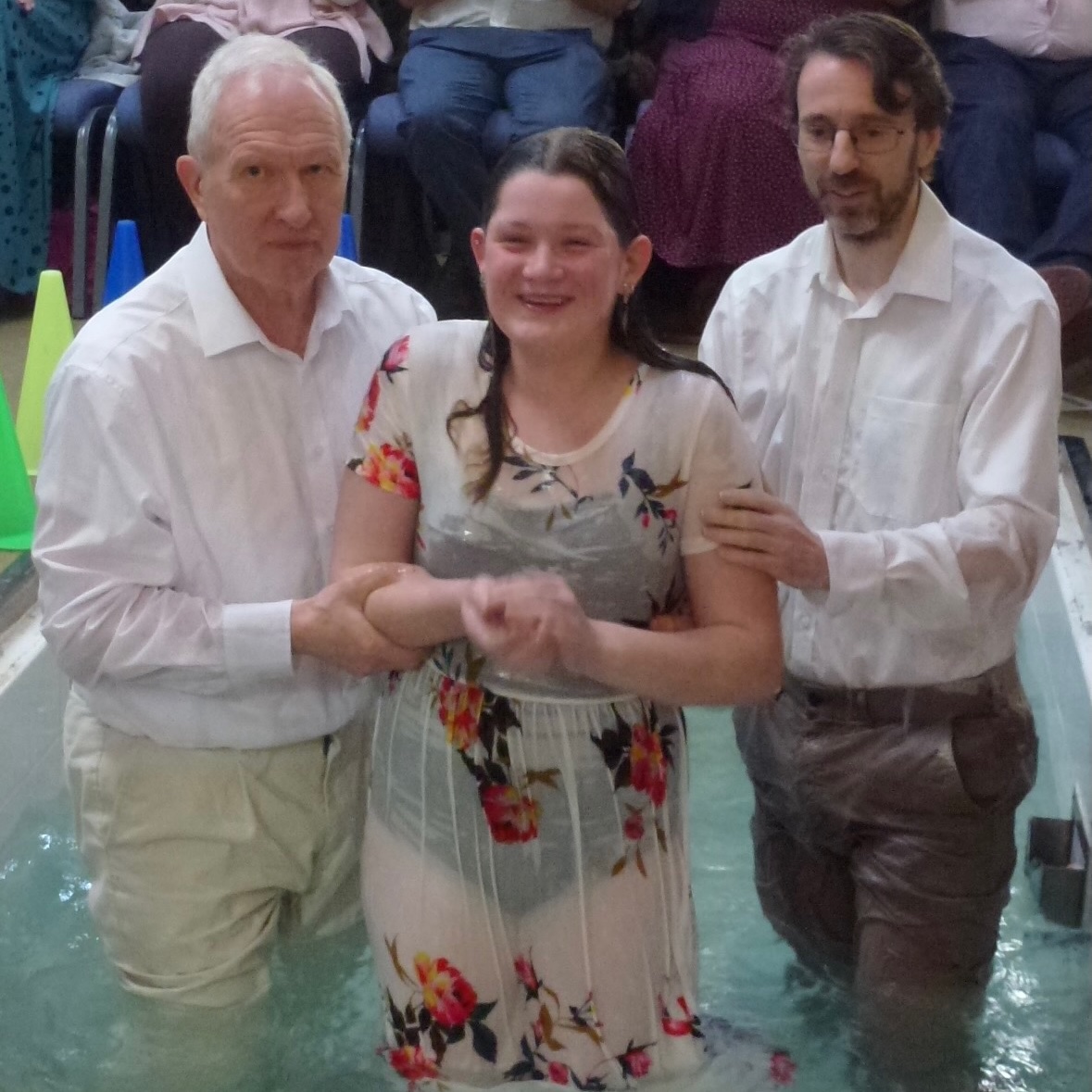
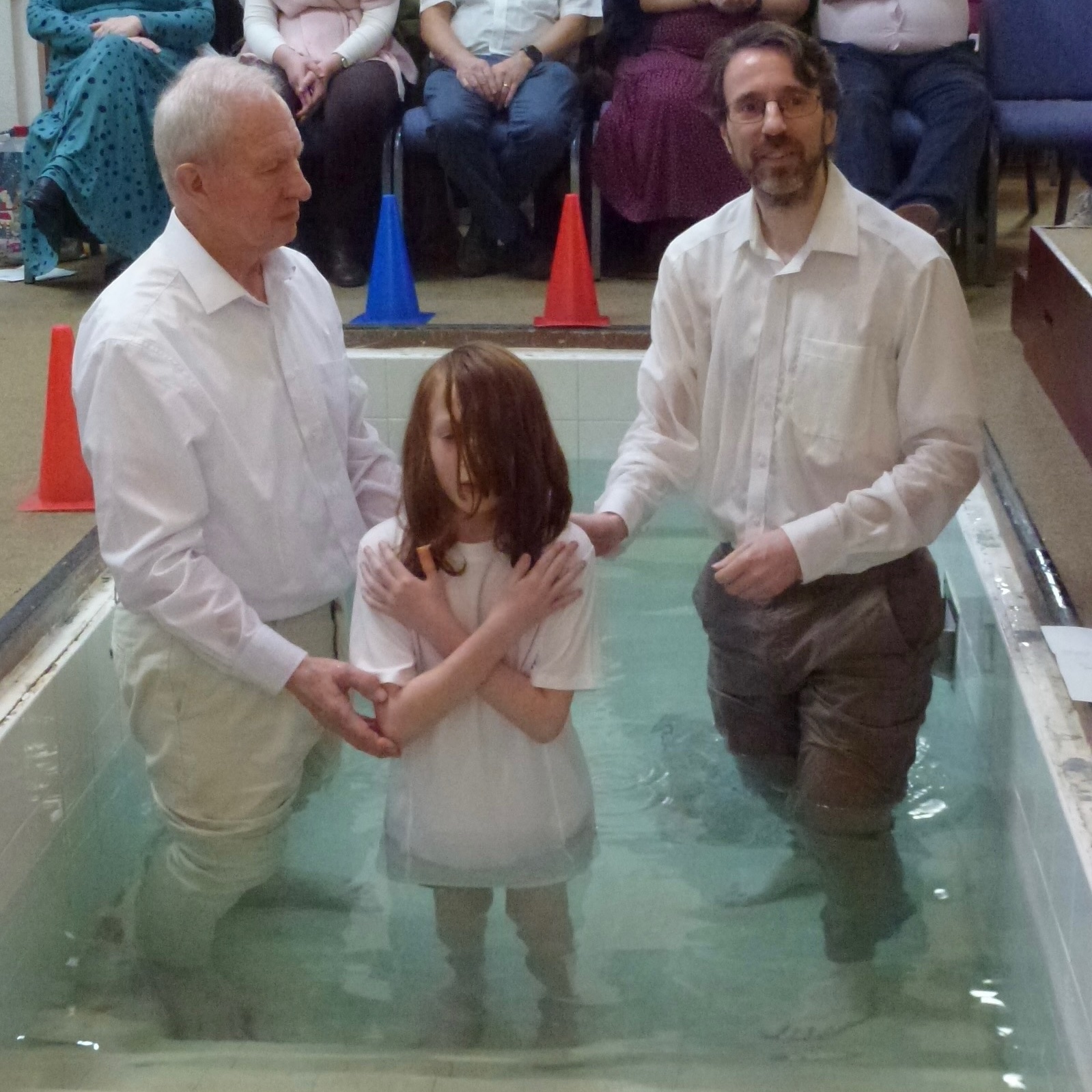
Jesus explicitly instructs His disciples to baptise new believers. Baptism is not optional; it is part of disciple‑making.
“Go and make disciples of all nations, baptising them in the name of the Father and of the Son and of the Holy Spirit.” — Matthew 28:19
In the early church, baptism is the expected response to the gospel. It is seen as an outward sign of turning to Christ.
“Repent and be baptised… for the forgiveness of your sins, and you will receive the gift of the Holy Spirit.” — Acts 2:38
Baptism is a visible picture of the gospel: dying to the old life and rising to new life in Christ. Paul explains the symbolism:
“We were buried with him through baptism into death… that we too may live a new life.” — Romans 6:3–4
Baptism is both personal and communal. Paul describes baptism as the moment of being joined to Christ’s people:
“For in one Spirit we were all baptised into one body.” — 1 Corinthians 12:13
Peter clarifies that the power is not in the water itself but in Christ’s resurrection. Peter gives a theological explanation:
“This water symbolises baptism that now saves you… the pledge of a clear conscience toward God.” — 1 Peter 3:21
Jesus’ baptism by John sets an example and affirms the practice:
Jesus was baptised… (Matthew 3:13–17)
The early church consistently baptised new believers immediately
“Those who accepted his message were baptised.” — acts 2:41